Every Dubai visitor asks the same question at some point on TripAdvisor or Reddit: is the desert safari actually worth it, or is it a tourist trap dressed up in fairy lights? We've sat through the good, the mediocre and the genuinely excellent versions of this excursion more times than we can count. The honest answer is that the experience varies wildly depending on which operator and package you book — and that variance is exactly what this review breaks down.
Our verdict, upfront
Yes, a Dubai desert safari is worth it — but only if you treat it as two different products wearing the same name. A shared evening safari at AED 90-180 per person is a fun, photogenic, slightly chaotic group activity. A private safari at AED 700-1,400 per vehicle is a genuinely memorable evening with space, pace and privacy you control. Both can be worth it. What isn't worth it is booking blind from a random street tout in Bur Dubai and hoping for the best.
The reason this excursion has a mixed reputation online is that quality control across the hundreds of operators in Dubai is inconsistent. Some camps are cramped with 40 vehicles arriving at once; others feel like a proper Bedouin-style evening with room to breathe. The dune bashing itself, the camel, the food and the entertainment are near-identical building blocks — what changes is how well they're assembled and how many other buses show up at the same camp at the same time.
What you actually get for the money
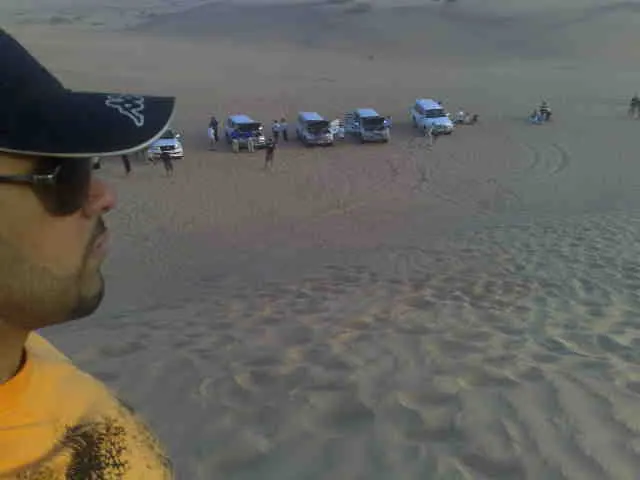
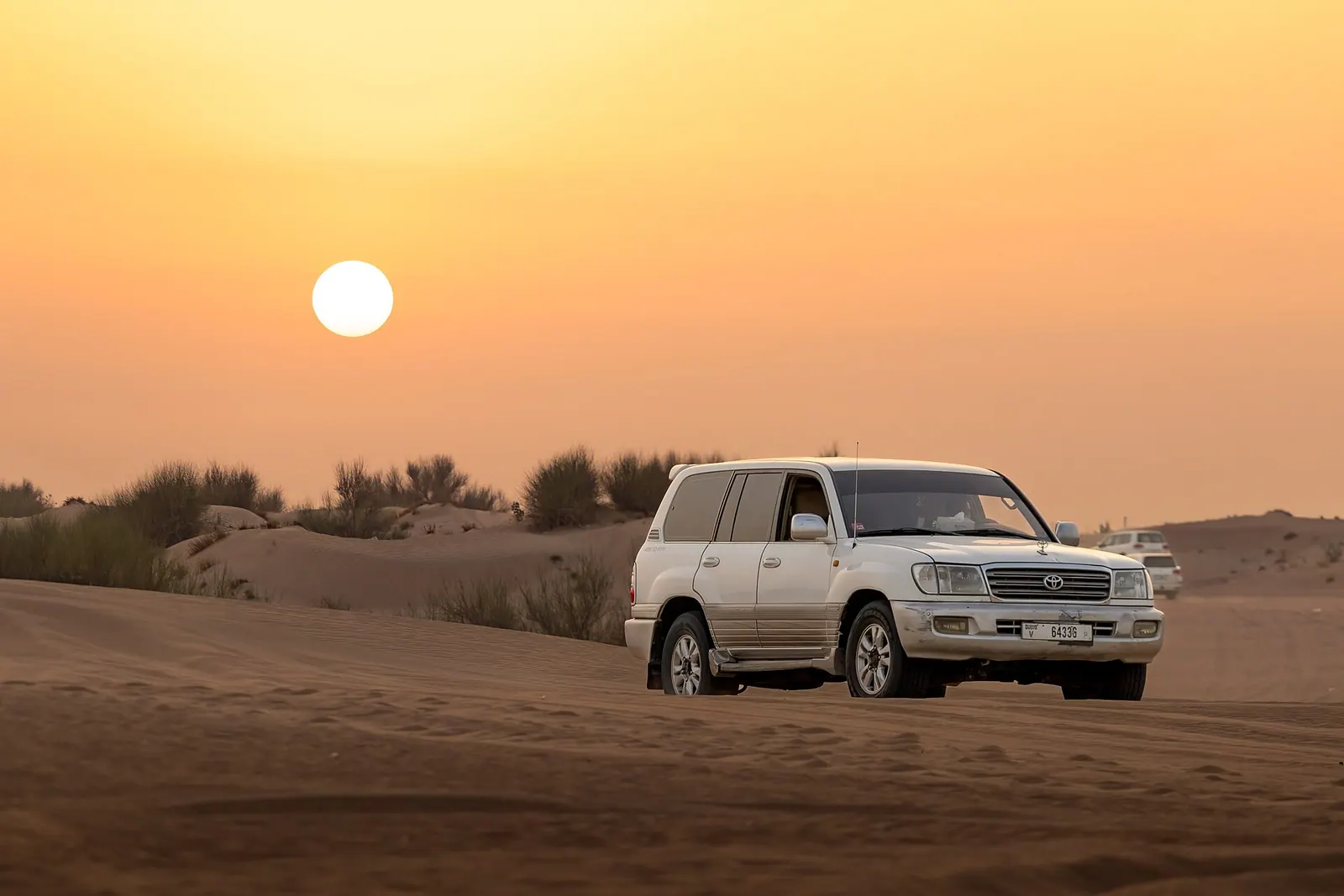
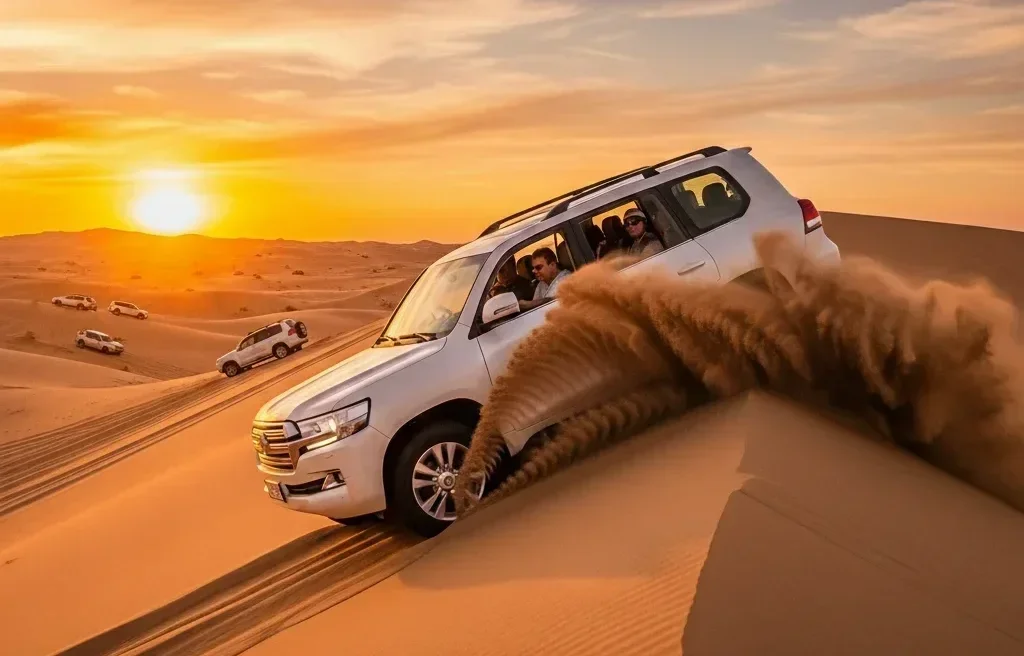
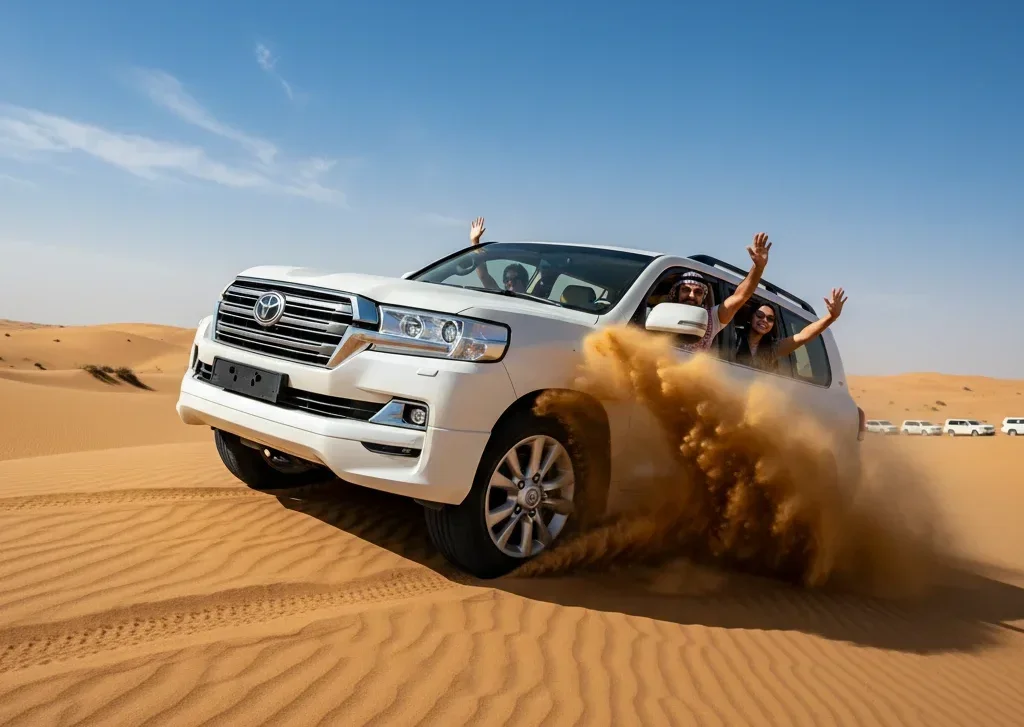
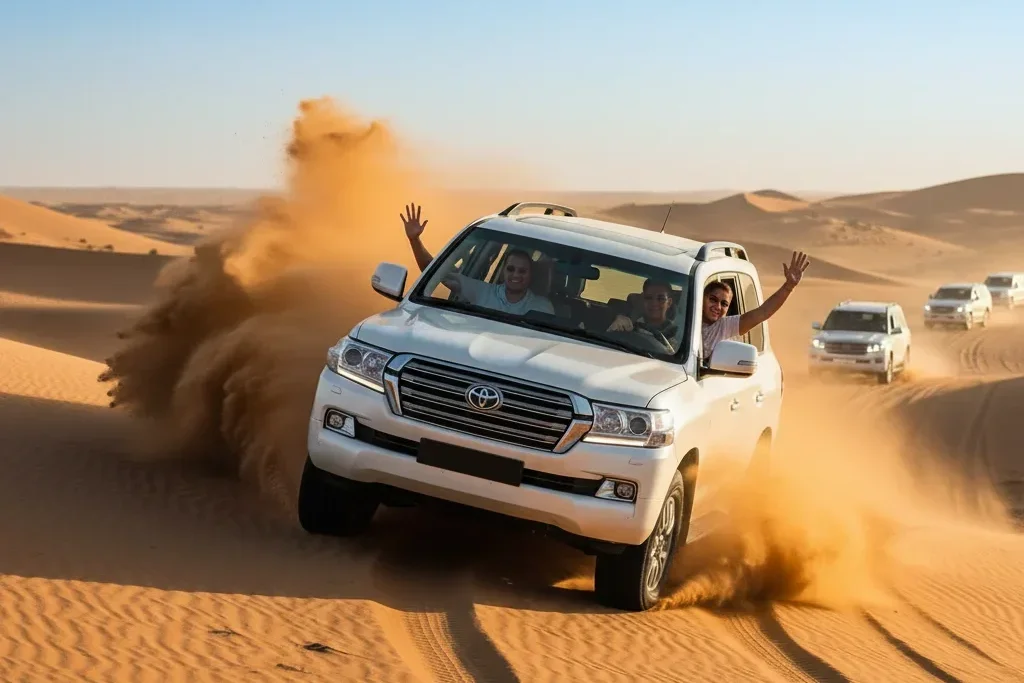
A standard evening desert safari (see our evening-desert-safaribudget-friendly package) runs roughly 6 hours: hotel pickup around 3-3:30pm, 45 minutes of dune bashing in a 4x4, a stop for sunset photos, then a Bedouin camp with a buffet BBQ dinner, camel photo-ops, henna, shisha and a live show featuring a tanoura dancer and fire performer. For AED 90-180 per person, that's genuinely good value compared to almost any other 6-hour tour in the city.
Where it starts to feel worth every dirham is when you upgrade. The evening-red-dunes-desert-safari-with-bbq-veg-dinner-quad-bike package adds red dune access (less crowded, better light for photos, AED 200-350 premium) plus a 15-20 minute quad bike ride, which is consistently the highlight guests mention afterwards. If budget allows, that combination is our top recommendation for first-timers.
Who should honestly skip it
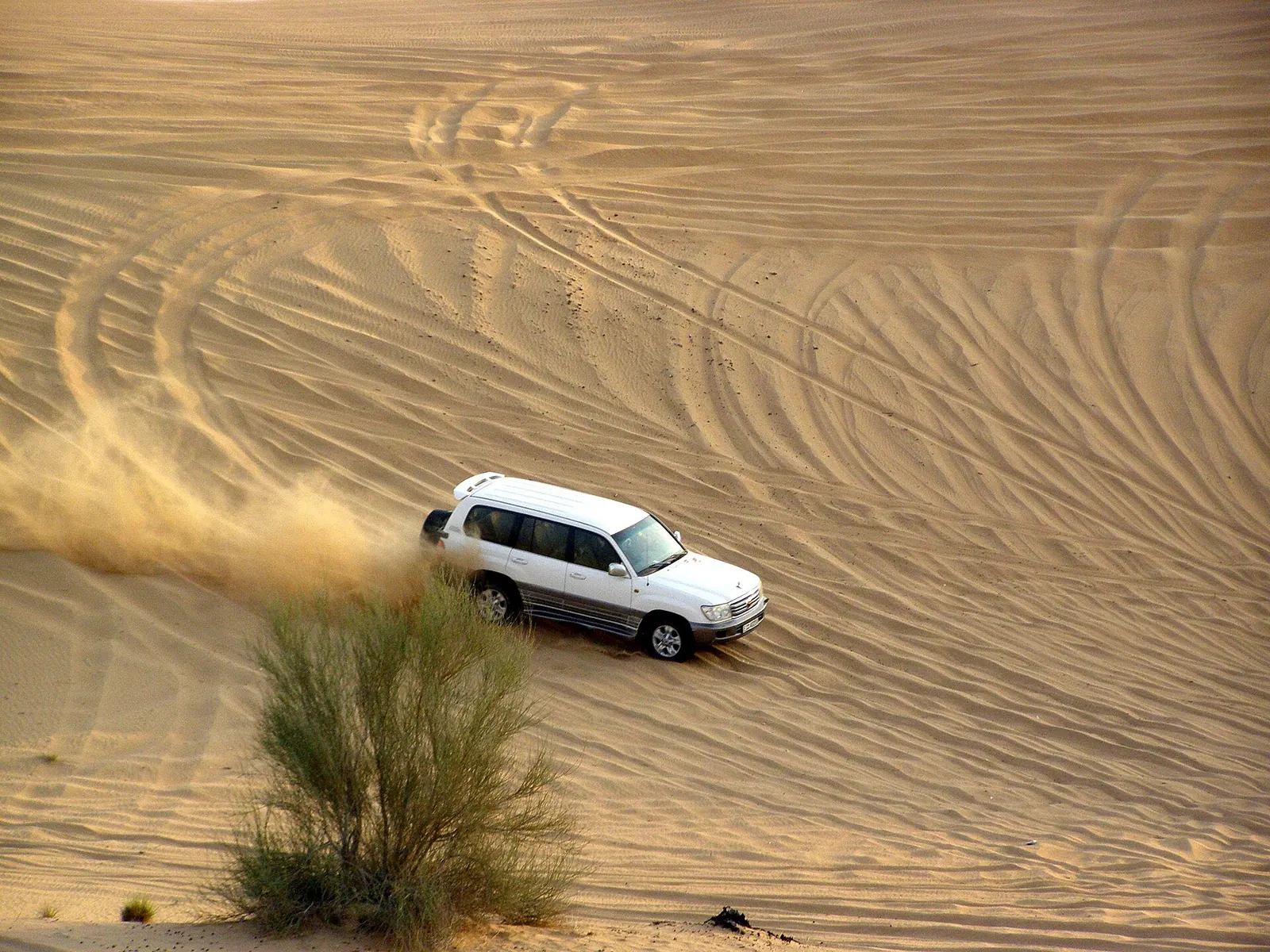
If you get carsick easily, dune bashing (essentially controlled off-road drifting over sand hills) can genuinely ruin your evening — tell your driver before you start and they will drive gentler, but it's still bumpy. Pregnant travellers and anyone with a recent back or neck injury should book a camel-and-camp-only package without the bashing segment, which most operators can arrange on request.
Travellers who've already done extensive Sahara or Wadi Rum desert trips sometimes find the Dubai version too polished and touristy — this is a manufactured evening experience, not an untouched wilderness expedition, and it doesn't pretend to be. If authenticity over spectacle is your priority, an overnight desert safari deeper into the dunes with fewer camps nearby is the better fit.
Is the food actually good?
This is the most common complaint we see in reviews, and it's fair. Standard BBQ buffet dinners at busy camps can be lukewarm by the time 200 guests have gone through the line. That said, the food is genuinely tasty when camps aren't overcrowded — grilled chicken, kofta, hummus, fattoush and fresh Arabic bread are the reliable staples. Vegetarian options are available on request and usually decent (the veg dinner option on our BBQ package is a solid choice if you're vegetarian).
If food quality is a priority, book a smaller camp or a private package — fewer guests means the kitchen can keep up. Some higher-end camps now do live grill stations instead of a static buffet, which noticeably improves the experience.
Is dune bashing safe? An honest look
Yes, when booked through a licensed operator. Dubai's RTA licenses desert safari vehicles and drivers specifically for off-road terrain, and reputable companies use experienced drivers who do this route daily. Seatbelts are mandatory and enforced. The bumpy, swerving sensation is intentionally thrilling but the vehicles rarely exceed 40-60 km/h — it feels faster than it is because of the terrain.
The genuine safety consideration isn't the driving, it's choosing a licensed operator. Unlicensed or unlisted vehicles occasionally circulate, especially from street-corner touts near Deira, and these are the ones involved in the rare accidents you'll read about in local news. Booking through an established platform with verified reviews avoids this risk entirely.
Does the season affect whether it's worth it?
Absolutely. November through March is peak season with comfortable evening temperatures (18-26°C), making the whole outdoor camp experience pleasant. June through September, daytime desert heat can exceed 45°C, though evening safaris still run since the sun has set by dune-bashing time — just expect a warmer camp experience with less lingering outdoors.
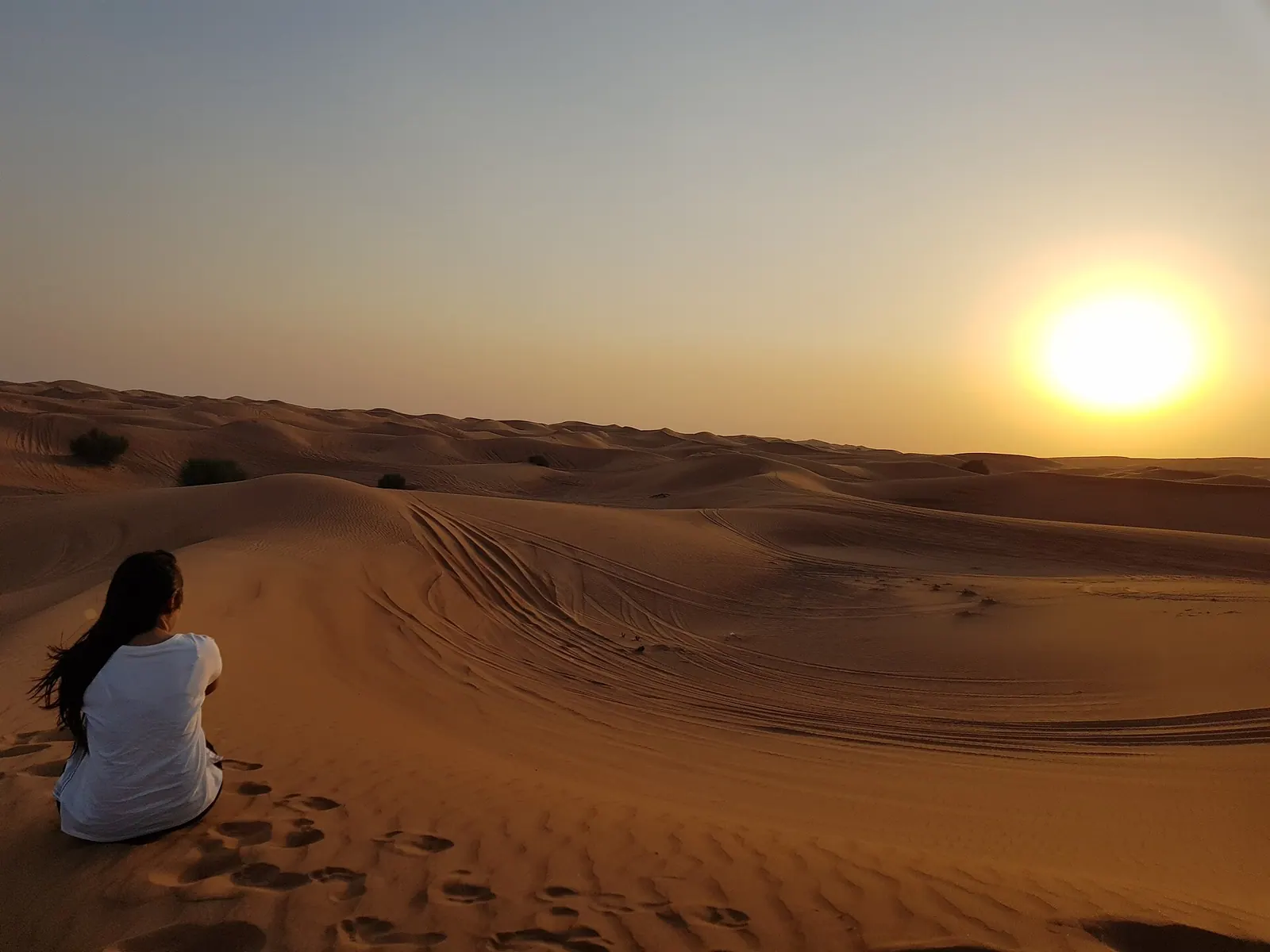
Sunset timing shifts the value proposition too: in winter, sunset happens mid-safari around 5:30-6pm, giving you the best golden-hour photos of the whole trip. In summer, sunset is closer to 7pm, so you'll do more of the bashing in daylight and catch dinner under full darkness.
The regrets people actually mention
None of these are dealbreakers, they're just avoidable with a bit of planning. Confirm your pickup window the night before, bring closed shoes or sandals with straps, and pack a scarf or light layer for December-February evenings when desert temperatures drop faster than the city.
- Booking the cheapest option and ending up at an overcrowded camp with 300+ other guests
- Not confirming pickup time in advance and waiting 45+ minutes past the window
- Skipping the quad bike upsell and wishing they'd added it
- Wearing sandals during dune bashing — sand gets everywhere
- Not bringing a light jacket for winter evenings once the sun sets
How it compares to other Dubai excursions
Stacked against a half-day city tour or a dhow cruise dinner, the desert safari offers more variety per dirham — you get an adrenaline activity, wildlife interaction, sunset views, dinner and live entertainment in one package. A dhow-cruise-dinner-dubai-marina evening is more relaxed and scenic but doesn't have the same thrill factor. Most first-time visitors we've spoken to rank the desert safari as their single favourite Dubai activity, ahead of Burj Khalifa visits.
If you only have time for one 'experience' excursion during your trip (as opposed to sightseeing like the dubai-city-tour-half-day-private), the desert safari is the one we'd recommend prioritising for the memorability-to-cost ratio.
Our final recommendation
Book a desert safari. Choose red dunes over standard if photography matters to you, add the quad bike if your budget allows an extra AED 100-150, and go private if you're travelling with more than 4 people or want control over pickup timing. Avoid booking on the street or through unnamed operators — check for RTA licensing and read recent reviews before paying.
For deeper detail on planning around pickup logistics and what's included, read our companion guides on desert safari Dubai pickup locations and what's included in Dubai desert safari packages — both answer the practical questions this review doesn't have room for.
Ready to book your desert safari?
Browse our full range of verified desert safari packages at /trip-type/desert-safari, from budget shared evenings to private red-dune experiences with quad biking. Not sure which fits your group? Tell us your dates, budget and group size at /custom-trip and we'll build a tailored itinerary — no generic packages, just what actually suits your trip.
What you actually pay versus what you get
Breaking the price into components makes the value question easier to answer. A standard shared evening safari at AED 90-180 includes roughly two hours of transport, 20-30 minutes of dune bashing, sandboarding, camel photo stops, henna, a buffet dinner and a live show — that's six distinct activities bundled into one fee, which is difficult to replicate booking separately. A red dune private evening at AED 700-1,400 for a vehicle adds a private driver, steeper dunes, and often better camp seating on top of the same core inclusions.
Compare that to booking a standalone quad bike session (AED 150-250 alone) plus a separate dinner cruise (AED 200-300 per person) plus a taxi to and from a desert viewpoint, and the safari's bundled price starts to look like genuinely efficient value rather than a tourist markup, provided you book with a licensed operator rather than an unusually cheap unlicensed one.
Does the time of year change whether it's worth it?
Yes, more than most guests expect. Between November and March, evening temperatures sit around 18-24°C, making the whole experience — sandboarding, sitting outside for dinner, the campfire and shisha lounge — genuinely comfortable rather than something you're enduring. This is peak season and camps run fuller, but the comfort trade-off is worth it for most travellers.
June through September, daytime and even evening desert temperatures can exceed 40°C, meaning the outdoor portions before sunset are genuinely uncomfortable, quad biking helmets get unpleasantly hot, and camps compensate with more air-conditioned tent seating and shorter outdoor windows. Prices tend to drop 15-25% in summer to reflect this, so 'worth it' really depends on your own heat tolerance rather than a fixed answer.
How to tell a good operator from a risky one before you pay
Most of the 'not worth it' reviews online trace back to a handful of avoidable operator problems rather than the activity itself. Before booking, check for a listed DTCM (Dubai's Department of Tourism) trade licence number on the listing or website, look for reviews from the last 60 days specifically (older reviews reflect a different fleet, driver roster and management), and message the operator directly with a specific question — a slow or vague reply is a reliable early warning sign.
Be wary of prices that sit dramatically below the AED 90-180 shared-evening range; a genuinely licensed safari with insured drivers, a real camp lease and food safety compliance has a cost floor that unlicensed operators cut corners to undercut, usually at the expense of vehicle safety standards or food handling.
The complaints we hear most, and how to sidestep them
'It felt rushed' is the top complaint, and it almost always traces back to a shared 6-hour package where guests expected 6 hours of activity rather than roughly 2 hours of transport plus 3-4 hours at camp. Reading the itinerary breakdown rather than just the headline duration sets the right expectation before you arrive.
'The camp felt crowded' is the second most common complaint, typically tied to booking a Friday or Saturday evening in December-February peak season at a high-volume standard camp. Booking a weekday, or paying the premium for a red dune or smaller boutique camp, resolves this reliably if crowd size affects your enjoyment.
Tours mentioned in this guide
Frequently asked questions
How much does a Dubai desert safari cost?+
Prices for Is Dubai Desert Safari Worth It? Complete Honest Review range from AED 89–250 per adult depending on the package. Popular add-ons: Quad Biking AED 75, Dune Buggy AED 500, Falcon Photo AED 10, VIP Camp Seating AED 50. Child pricing and hotel pickup are shown on each tour page.
Is desert safari in Dubai scary?+
The dune bashing is thrilling rather than dangerous — think fairground ride, not extreme sport. Licensed drivers keep speeds moderate even though the swerving feels dramatic.
How long does a desert safari last?+
Standard evening safaris run about 6 hours including hotel pickup and drop-off, roughly 3:30pm to 9:30pm depending on the season.
Is one day enough for a desert safari?+
Yes, the entire experience is a single half-day or evening outing. Overnight desert safaris exist for travellers wanting a longer, more remote experience.
Can I skip the dune bashing part?+
Most operators will accommodate this on request, especially for pregnant travellers or those prone to motion sickness — you'll join the group directly at camp instead.
Is the desert safari good for elderly travellers?+
The camp portion (camel rides, dinner, shows) is comfortable for most ages, but dune bashing can be physically jarring — a gentler drive can usually be requested in advance.
Do I need to tip on a desert safari?+
Not mandatory, but AED 20-50 for your driver and camp staff is customary and appreciated if service was good.
What should I wear on a desert safari?+
Comfortable closed shoes or strapped sandals, breathable clothing, and a light jacket or scarf for winter evenings once temperatures drop after sunset.