Ramadan 2026 runs from approximately February 17 to March 19 (dates confirmed closer by moon sighting). Contrary to what tourism blogs sometimes suggest, Dubai stays fully open to tourists during Ramadan — with adjusted hours and a genuinely special evening atmosphere. Here's what to actually expect.
Ramadan 2026 dates
Expected start: Tuesday February 17, 2026. Expected end: Wednesday March 18, 2026. Eid Al Fitr: March 19–21 (3-day public holiday, typically extended by employers). Exact dates confirmed by moon sighting 1–2 days beforehand. If you're planning a March 2026 Dubai trip, budget for either Ramadan or Eid conditions depending on your dates.
What's open (spoiler: almost everything)
All major attractions remain open with normal or slightly reduced daytime hours. Malls: 10am–1am (extended evening hours). Restaurants inside malls, hotels and Downtown: open all day for tourists — many partition off a section for daytime dining. Bars: open from sunset (~6pm) instead of noon. Live entertainment (music, dancing) is suspended in public venues during the day but resumes after iftar. Beaches, waterparks, desert safaris, cruises: fully operational.
Iftar — the tourist experience
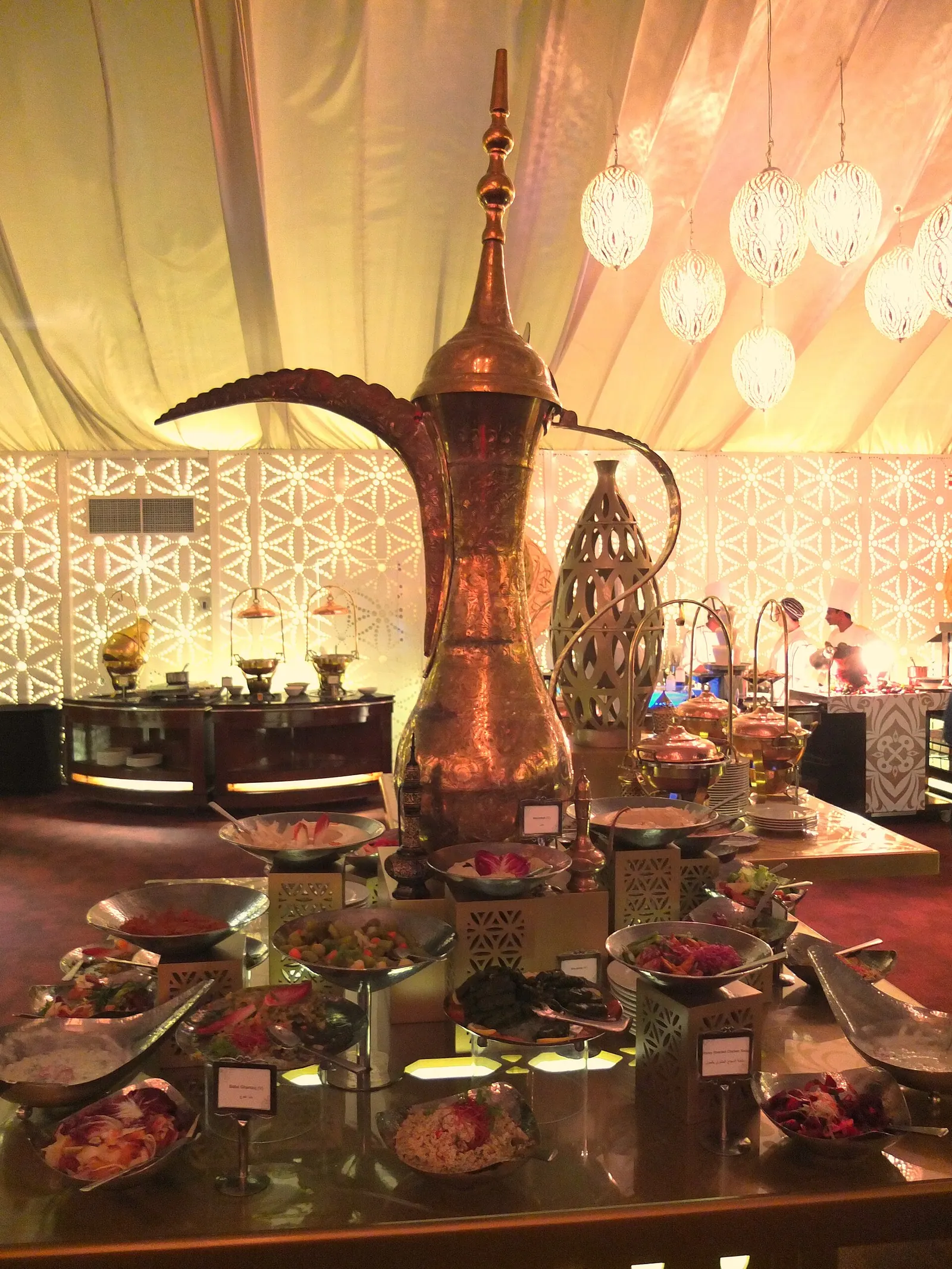
Iftar (the sunset meal breaking the fast) is when Dubai comes alive during Ramadan. Every major hotel offers an iftar buffet from around 6pm at prices ranging from AED 150 (Radisson) to AED 550 (Atlantis, Burj Al Arab, Address Downtown). Traditional Ramadan tents (khaimah) pop up at Al Habtoor City, Kempinski Mall of the Emirates, and along DIFC — these offer live oud music, shisha and unlimited Arabic feasts. Book 3–5 days ahead.
Etiquette rules for tourists
Do NOT eat, drink or smoke in public during daylight hours (roughly sunrise to 6pm). This includes water — carry it in your bag, drink in your hotel room, mall food court section, or a screened restaurant area. Dress slightly more modestly than usual (cover shoulders and knees in public areas, not just religious sites). Avoid loud music in public spaces during daytime. These rules are laws, not suggestions — fines exist but are rarely issued to genuinely respectful tourists.
Underrated advantages of visiting in Ramadan
Attractions are dramatically less crowded during daylight hours — you can walk into Burj Khalifa without queuing. Hotels drop rates 20–35% versus February/March norms. Traffic is much lighter during the day (peak jams shift to just before iftar). The night-time atmosphere in older districts (Al Seef, Bur Dubai, Deira) is genuinely magical — decorations everywhere, families out together, cannons firing at iftar time. It's a very different Dubai than the standard tourist version.
What to actively plan around
Book desert safaris for late afternoon so dinner falls after iftar — many operators run 3pm–9pm timing during Ramadan. Avoid trying to eat lunch outdoors in Downtown or Marina — sit inside a mall restaurant instead. Don't book major activities during the first 3 days of Eid — the city is either shut or packed with locals travelling. And expect Fridays to be very quiet during daytime — perfect for photos at otherwise-packed spots.
Frequently asked questions
When is Ramadan in Dubai in 2026?+
Approximately February 17 to March 18, 2026, followed by Eid Al Fitr on March 19–21. Exact dates confirmed by moon sighting 1–2 days beforehand.
Are Dubai attractions open during Ramadan?+
Yes — Burj Khalifa, Dubai Mall, aquariums, waterparks, desert safaris and cruises all operate normally. Some daytime hours are slightly reduced. Live entertainment resumes after sunset.
Can tourists eat in public during Ramadan?+
No — eating, drinking or smoking in public during daylight hours is prohibited. Restaurants inside hotels and screened sections of mall food courts stay open for tourists all day.
How much does iftar cost in Dubai during Ramadan 2026?+
AED 150 for budget hotels up to AED 550 at luxury properties like Atlantis or Burj Al Arab. Traditional Ramadan tents range AED 250–400.
Is Dubai cheaper during Ramadan?+
Yes — hotels typically drop rates 20–35% vs the surrounding February/March period. Attractions and tours run standard pricing. Overall it's one of the best-value windows to visit.
What should I wear in Dubai during Ramadan?+
Slightly more modestly than usual — cover shoulders and knees in all public areas, not just religious sites. Beach and pool areas allow normal swimwear.
Is it disrespectful to visit Dubai during Ramadan?+
Not at all — Dubai actively welcomes tourists during Ramadan and the government promotes iftar experiences to visitors. Simply follow the daytime etiquette rules and you'll be warmly received.